Our Services
Residential & commercial electrical work — done safely, cleanly and up to code.
What we do
A solution to all electrical problems
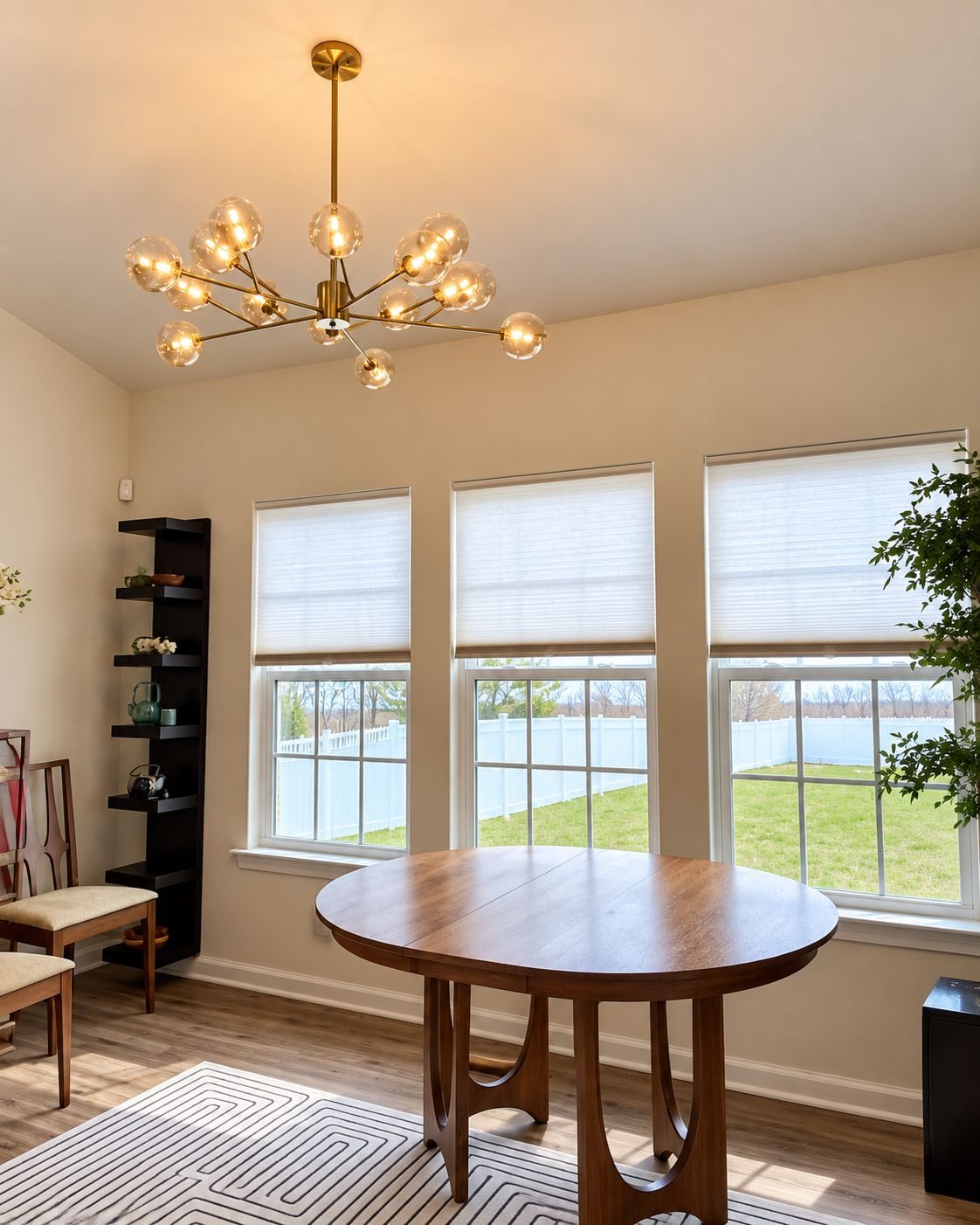
Lighting Installs – Interior & Exterior
New fixtures, LED upgrades, under-cabinet, landscape and security lighting — designed to look great and cut your energy bill.
Learn More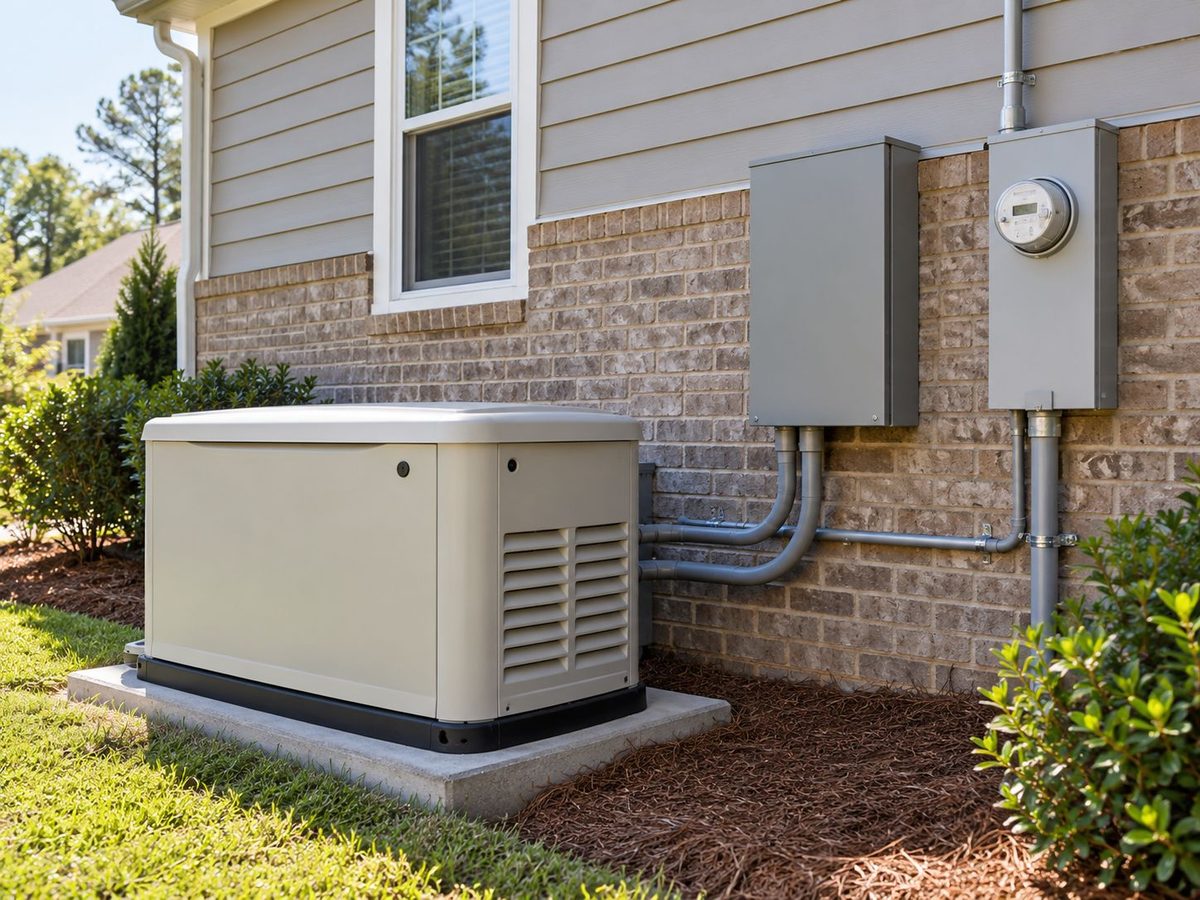
Generator Installation
Portable generator inlets and interlocks, and permanently installed standby systems — wired so the power comes back safely, not dangerously.
Learn More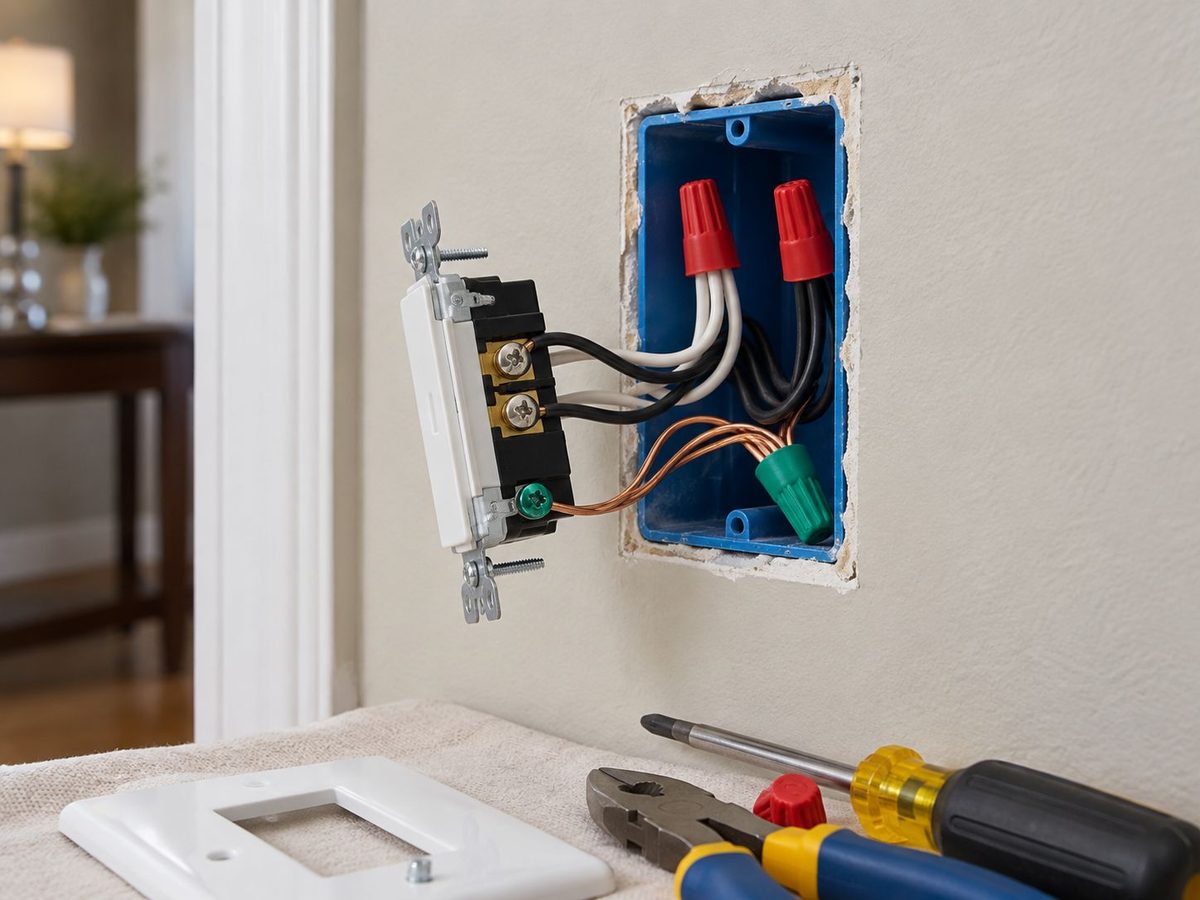
New Device Installation
Smart thermostats, doorbells, switches, dedicated appliance circuits and more — installed right the first time.
Learn More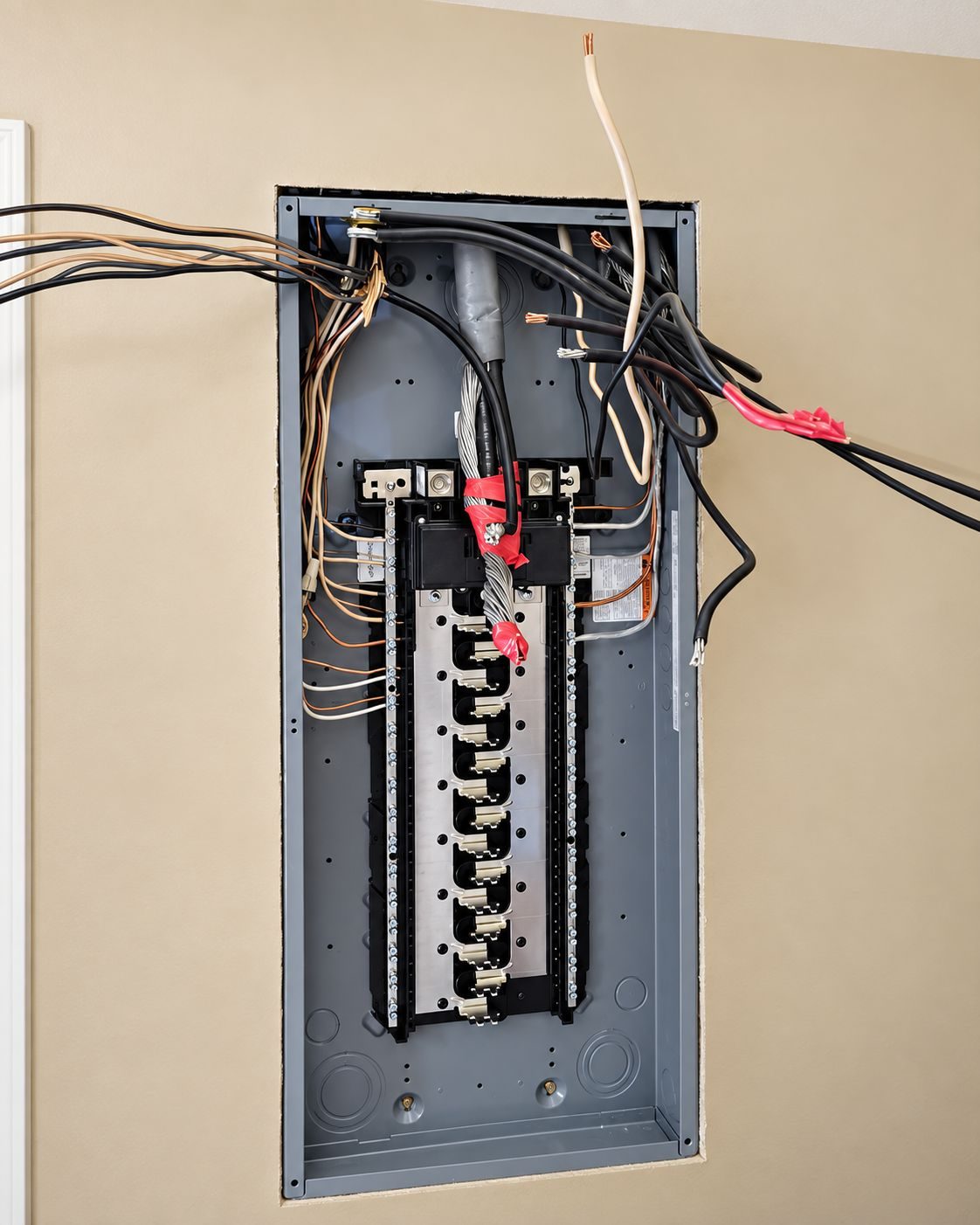
Wiring Repair
Flickering lights, dead outlets, warm switch plates or old wiring? We find the problem and fix it safely.
Learn More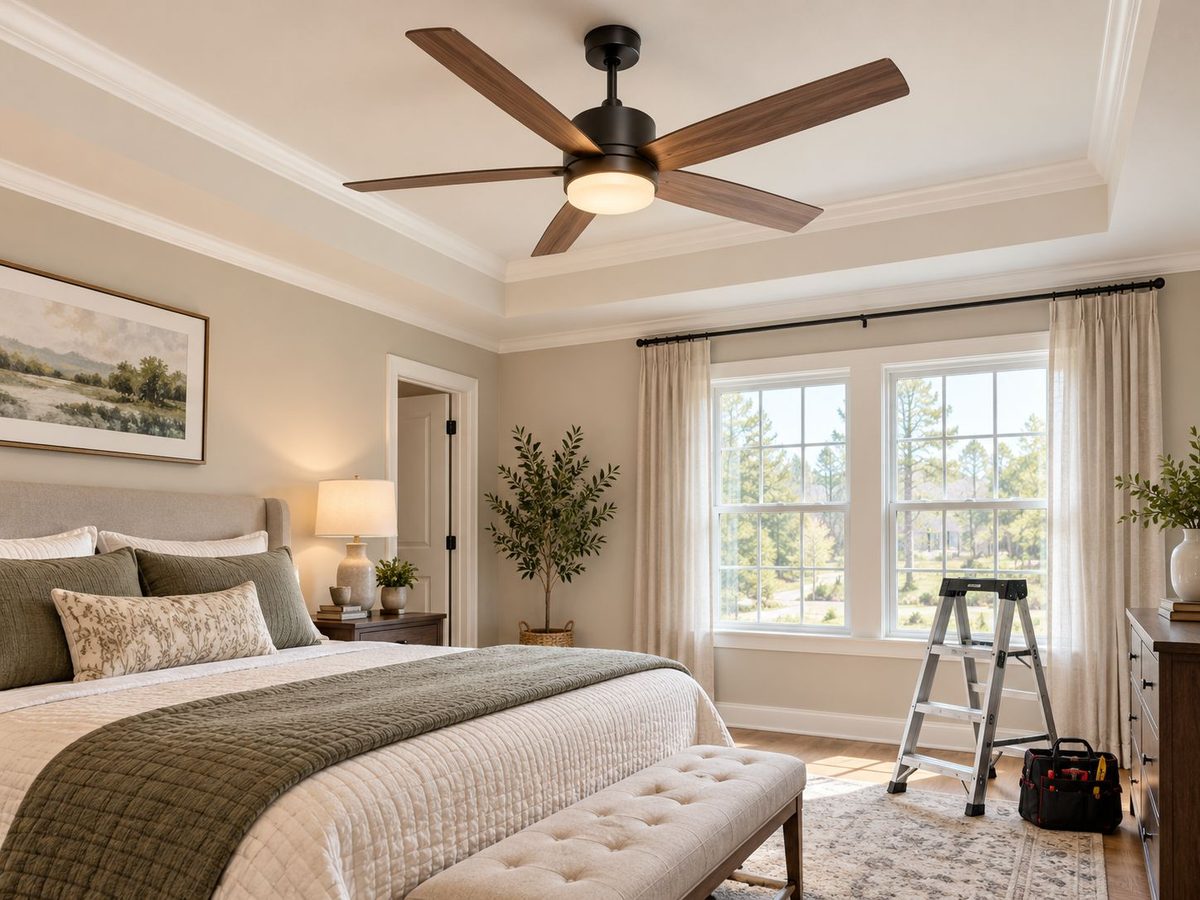
Ceiling Fan Installation
Stay comfortable and lower cooling costs with a securely mounted, perfectly balanced ceiling fan.
Learn More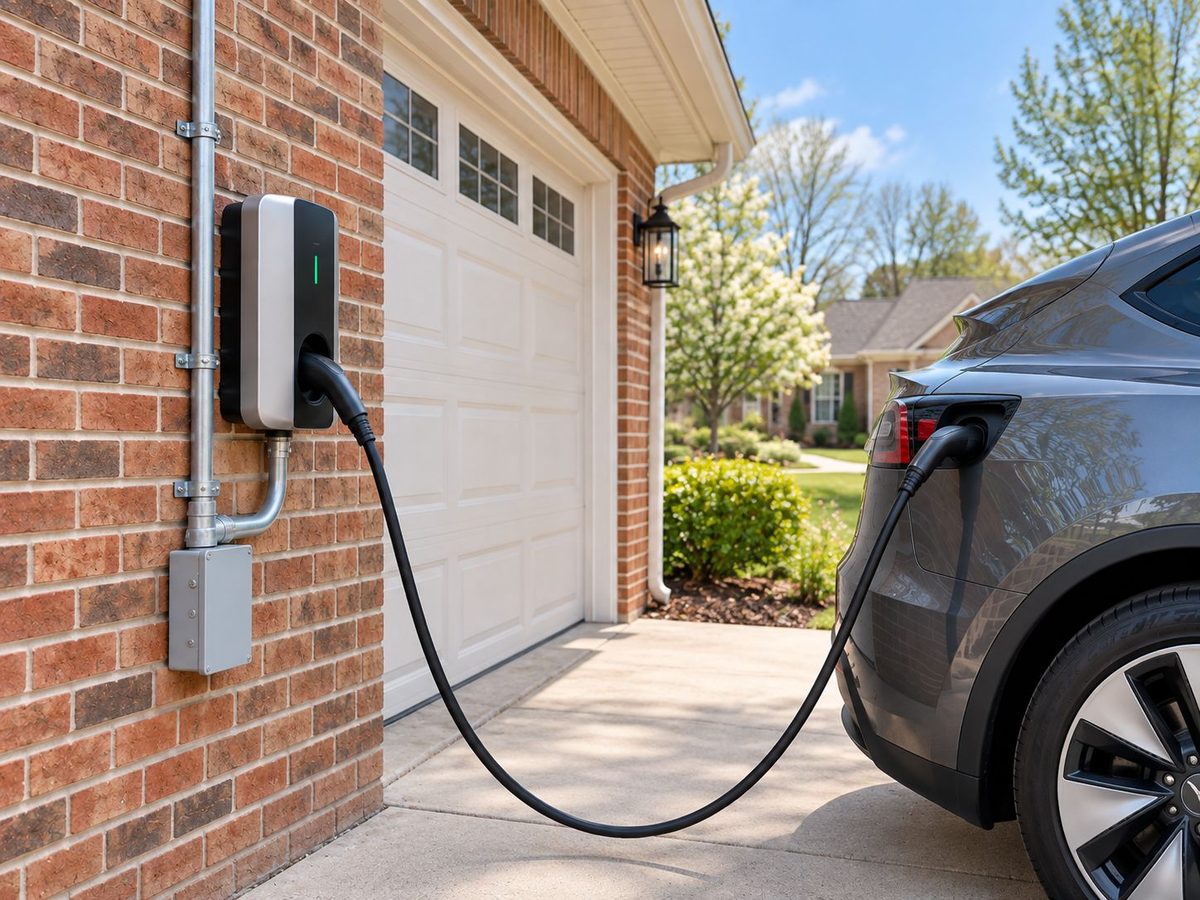
EV Charger Installation
Level 2 home charging installed properly — load calculation first, permit pulled, and honest advice about whether your panel can take it.
Learn More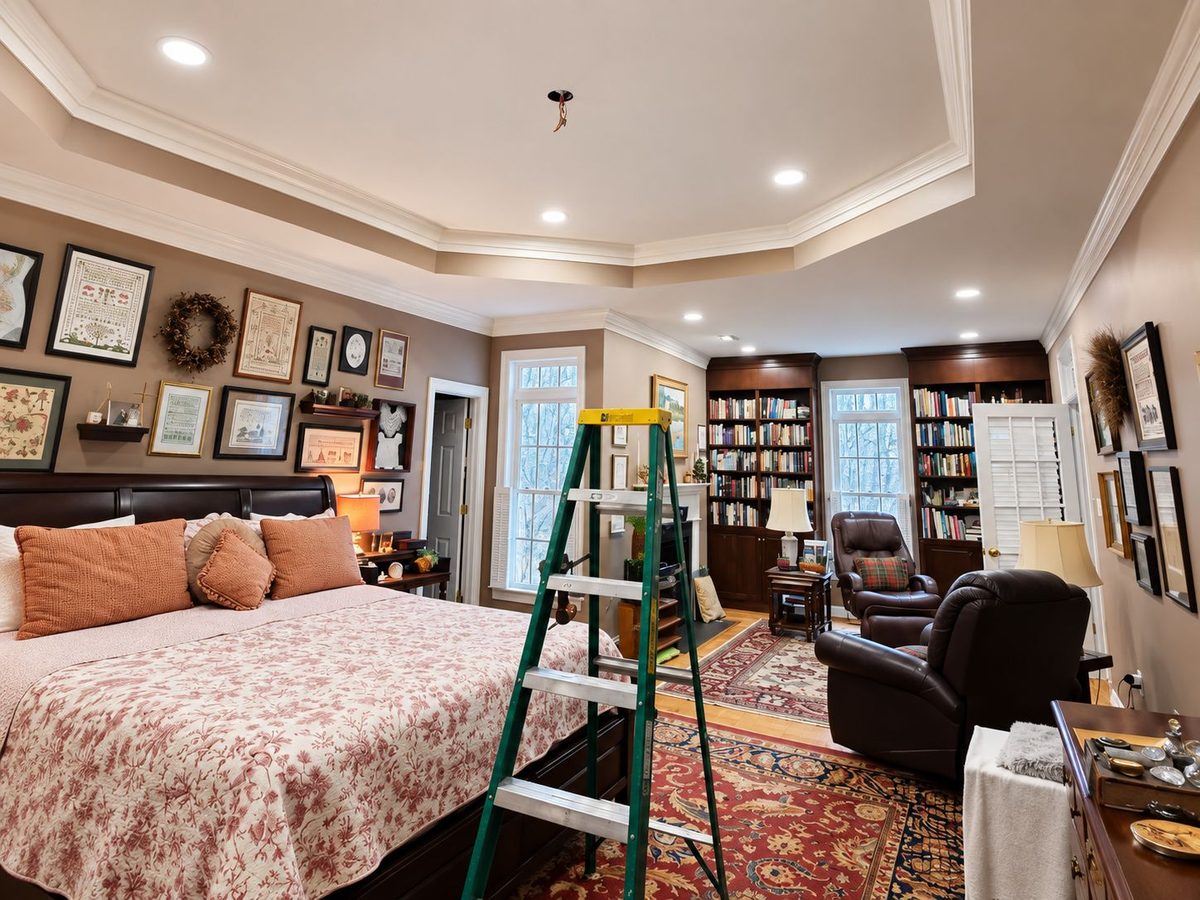
Recessed Lighting Installation
Clean, modern can lights laid out for even, glare-free light in kitchens, living rooms and basements.
Learn More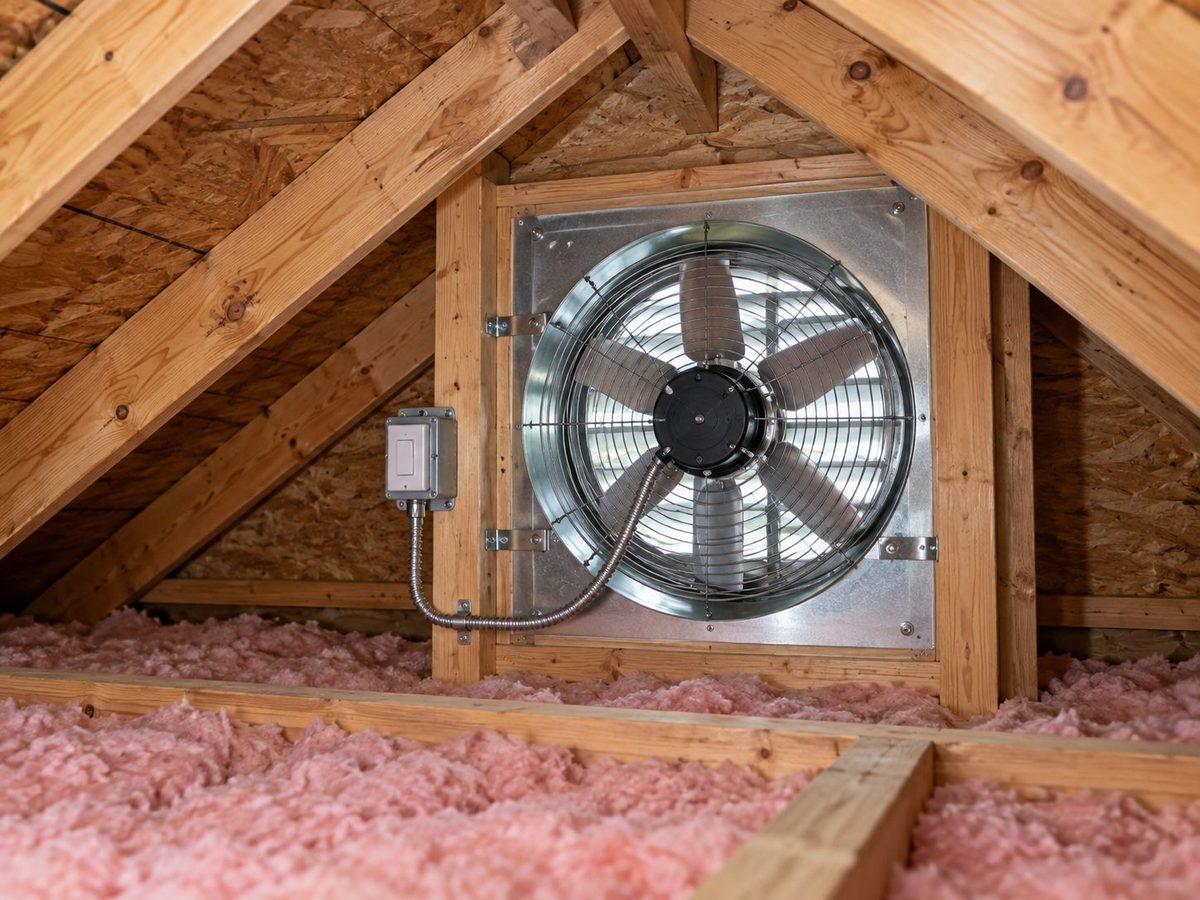
Attic Fan Installation
Reduce attic heat and moisture with a properly wired attic or gable fan and thermostat control.
Learn More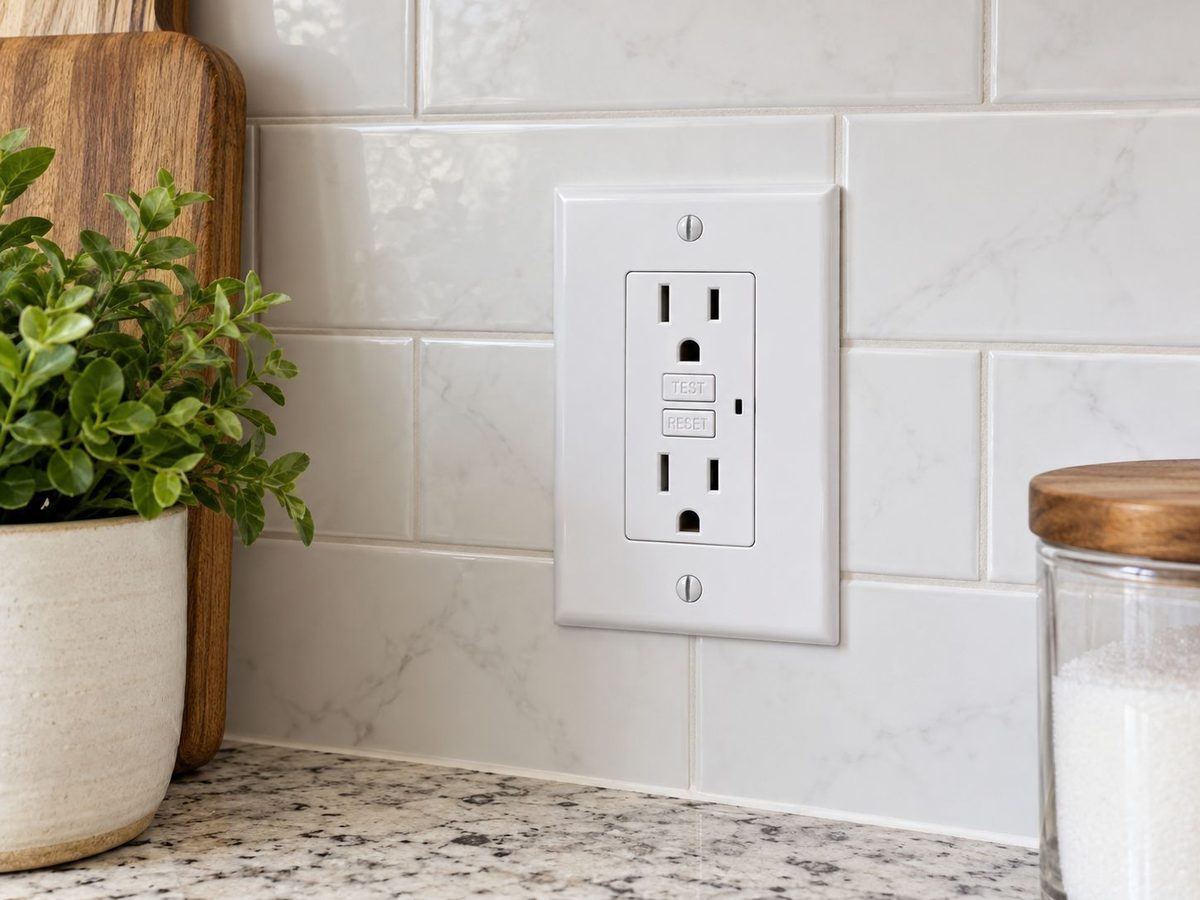
GFCI Outlets
Shock protection for kitchens, bathrooms, garages, laundry rooms and outdoor outlets.
Learn More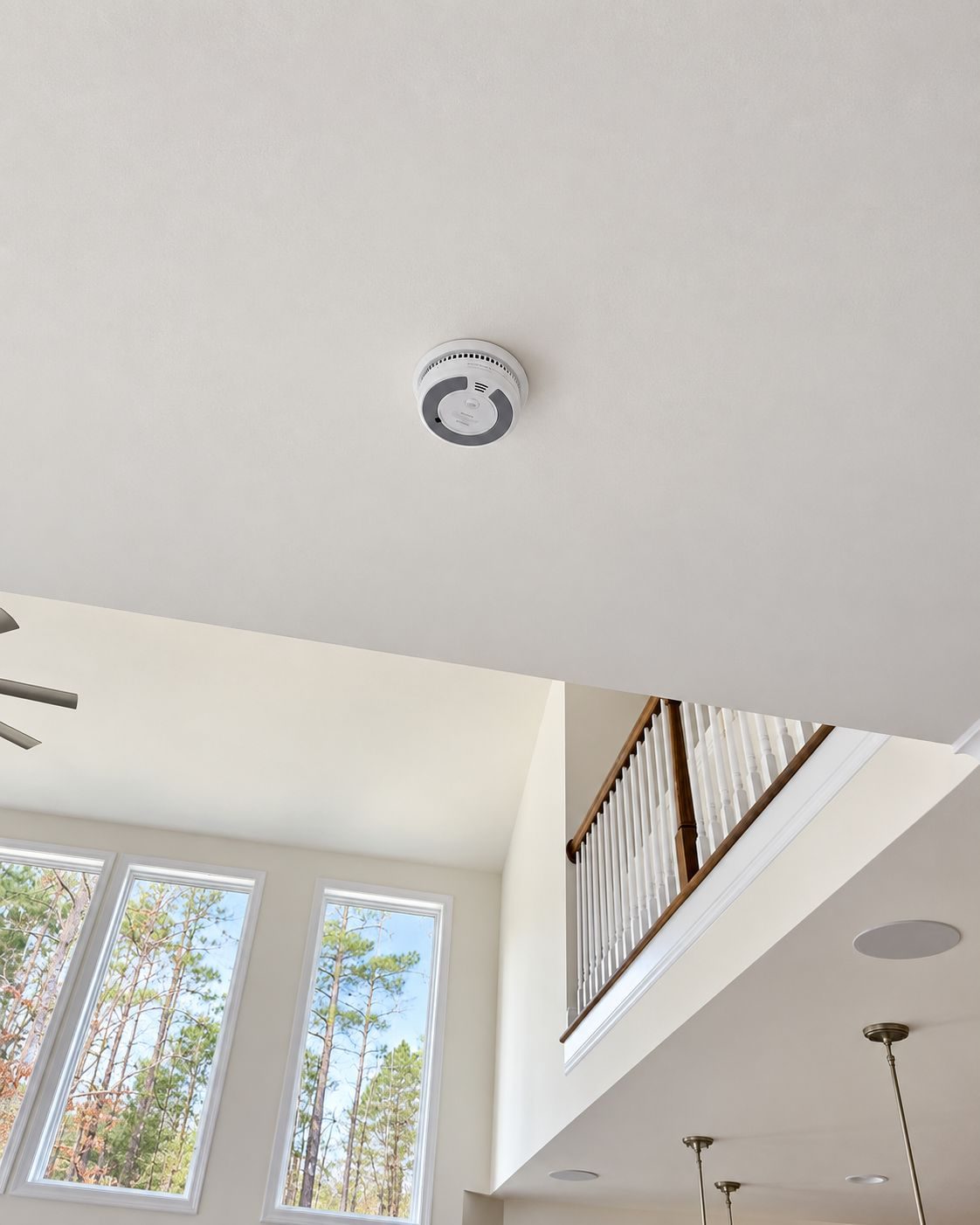
Smoke Detection
Hardwired, interconnected smoke and carbon-monoxide alarms that warn every room at once.
Learn More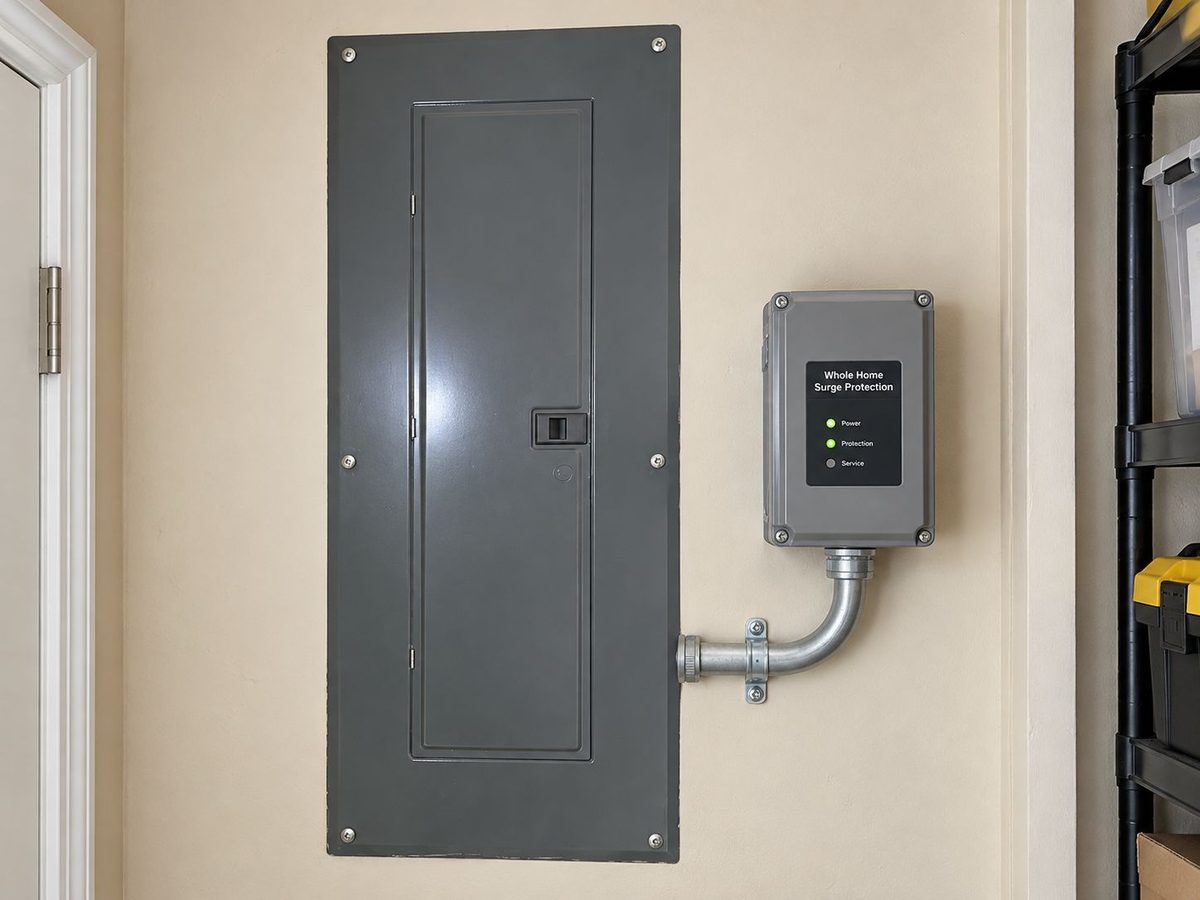
Surge Protection
Whole-home surge protection that guards appliances, HVAC and electronics from damaging spikes.
Learn More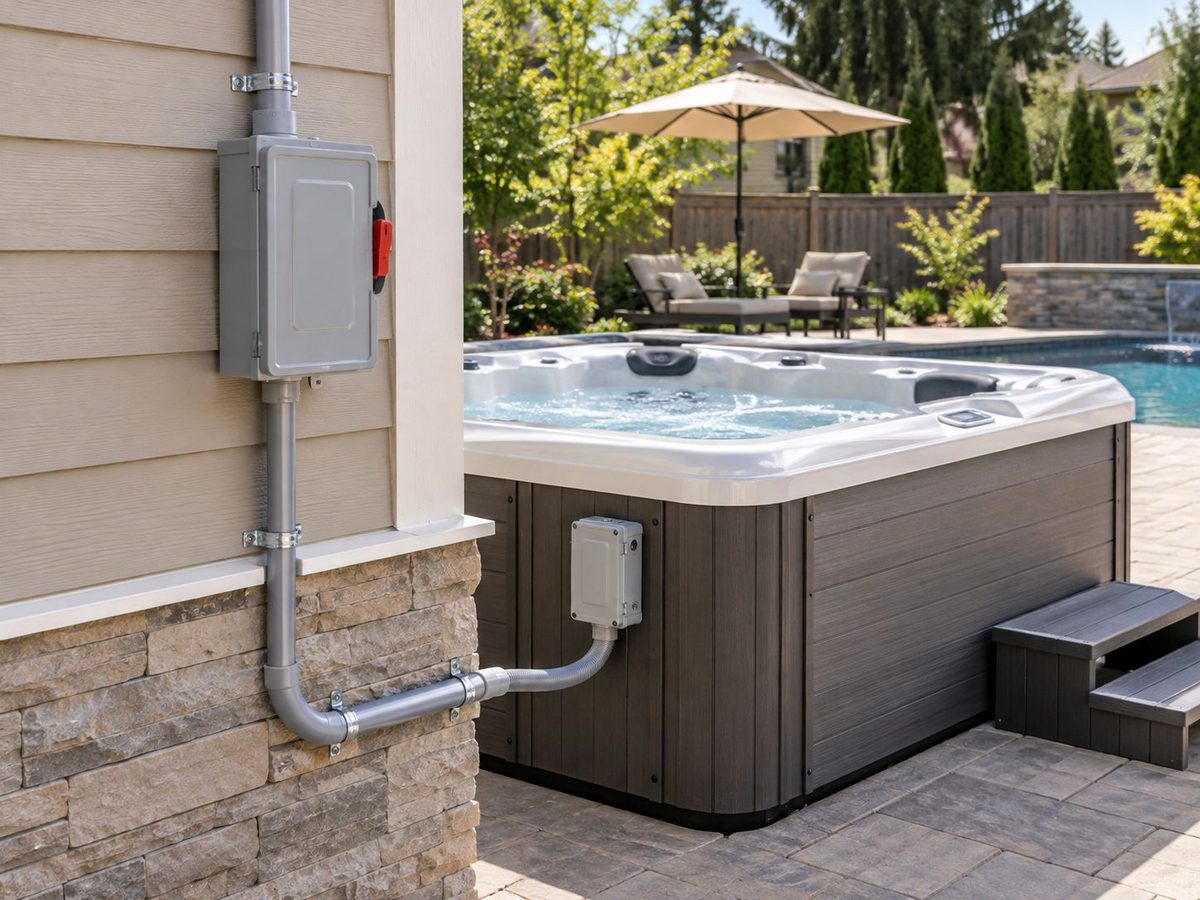
Pools and Hot Tubs
Safe wiring, bonding and GFCI protection for pools, spas, hot tubs and pumps.
Learn More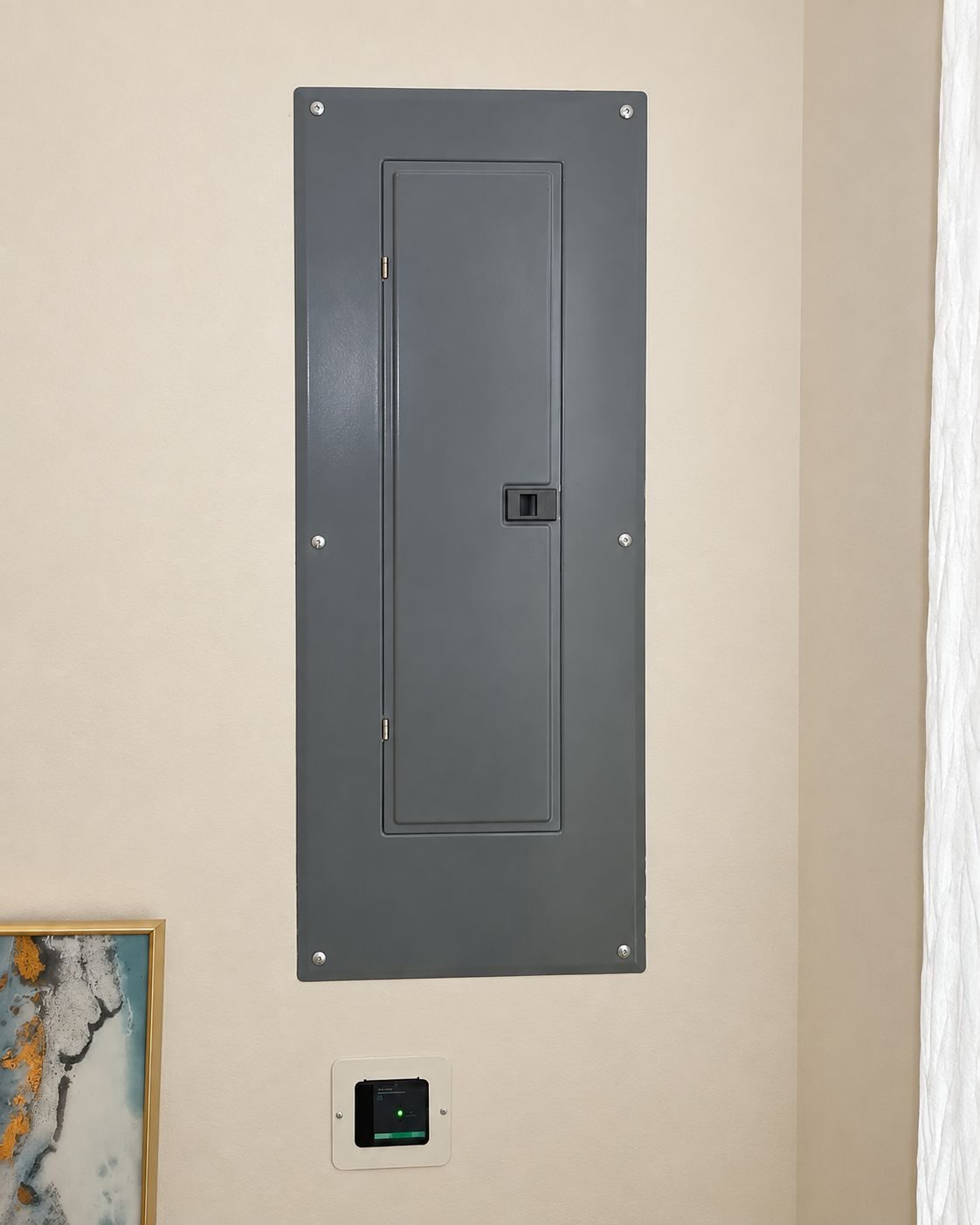
Electrical Panel Upgrades
Panel replacements and 100-amp to 200-amp service upgrades across Richmond and Chesterfield — permit pulled, meter coordinated with Dominion, every circuit labelled.
Learn More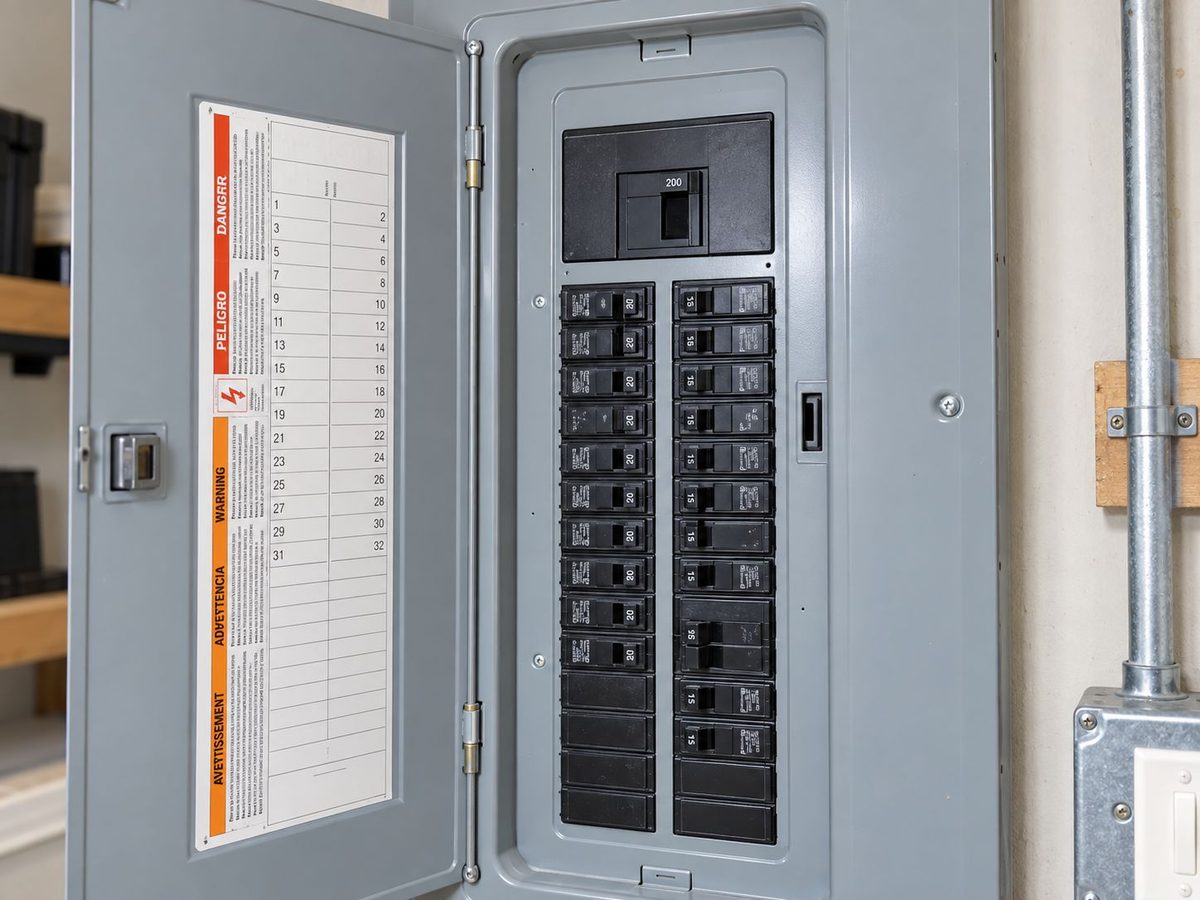
Circuit Breaker
Breakers that trip, buzz or will not reset — diagnosed and replaced with the correct parts.
Learn MoreDon’t see what you need?
We handle almost every electrical job. Call us or request a free quote.
Questions
FAQ
Do I need a transfer switch for a portable generator?
Yes — either a transfer switch or an interlock kit on your panel. Both make it physically impossible for generator power to reach the utility lines. Running a generator into a wall outlet through a double-ended cord can electrocute a lineman working on your street and will damage your own equipment when power returns.
How long does it take to install an EV charger?
Most installations are a half day. A long run to a detached garage, trenching under a driveway, or a panel that needs upgrading first will take longer — we will tell you which of those applies when we quote, not on the day.
How long does a panel replacement take?
Most residential panel replacements are a single day. A full service upgrade that also involves the meter base, weatherhead and service entrance cable can run into a second day, and we will tell you which one you are looking at when we quote.
Why should I choose Castro Electric for my electrical needs?
We are a local company focused on doing the job right and treating your home with respect. You get clear pricing, clean work and a team that stands behind what it installs.
What size standby generator do I need?
It depends on what has to stay running. A 13–16 kW unit covers the essentials in most homes — heating and cooling, refrigeration, well and sump pumps, lights and outlets. Whole-house coverage for a typical Richmond-area home is usually 17–20 kW. We do the load planning before recommending a size, because oversizing is expensive and undersizing is worse.
Do I need to upgrade my electrical panel for an EV charger?
Sometimes, and only a load calculation will tell you. A 200-amp service with spare capacity usually takes a charger without difficulty. A 100-amp service already running central air and an electric range often cannot. We run the calculation before quoting, so you are not told halfway through the job.
Will I be without power?
Yes, for most of the working day. Dominion Energy disconnects at the meter before we start and reconnects once the work has passed inspection. We schedule the outage with you in advance so you can plan around it — people who work from home usually pick a day they can be out.
How often should my electrical system be inspected?
A general check every few years is a good habit, and it is especially smart when buying or selling a home. Call sooner if you notice flickering lights, buzzing, warm outlets or a burning smell.
Natural gas or propane?
Whichever your address can actually get. Richmond Gas Works serves the City of Richmond, Henrico and northern Chesterfield; if you are in that area and already have gas, natural gas is simpler — no tank and no deliveries. Everywhere else means propane, with a tank sized for the run time you want. We check availability at your address before quoting.
Can I still claim the federal EV charger tax credit?
No. The federal 30C credit applied to equipment placed in service on or before 30 June 2026 and is no longer available. Dominion Energy’s off-peak rate plan is now the main ongoing saving for EV owners in this area, and some carmakers still include a charger or installation credit with a new vehicle.
Do I need a permit to replace my electrical panel?
Yes. Panel and service work is permitted and inspected in every jurisdiction we work in. We pull the permit and schedule the inspection as part of the job, so there is nothing for you to file. An unpermitted panel tends to resurface as a problem when the house is sold.
Are your electricians licensed and insured?
Yes. Our electricians are licensed and insured, and all work is completed to current electrical code.
How long does a standby generator installation take?
Two to three days of work once the permit, pad, electrical and gas connection are counted, spread over a longer calendar window because of permit timing and weather. A portable generator inlet with an interlock kit is usually a half day.
Should I get a hardwired charger or a 240-volt outlet?
Hardwired is required above 40 amps of continuous draw and is the better result outdoors. A NEMA 14-50 outlet lets you take the unit with you if you move. Under the 2020 code a receptacle feeding an EV charger must be GFCI protected, so a correct outlet installation is not simply a matter of fitting a socket.
How do I know if I have a Federal Pacific or Zinsco panel?
The brand name is usually printed on the panel door or on the label inside it. Federal Pacific panels often say "Stab-Lok" on the breakers themselves. If you are not sure, take a photo of the open panel door and send it to us — we can almost always identify it from the picture.
Can I do electrical repairs myself?
Changing a light bulb, yes — but repairs inside boxes and panels can be dangerous and may not pass inspection. A licensed electrician keeps you safe and your insurance valid.
Can I run a portable generator in my garage?
No — not even with the door open. Carbon monoxide from portable generators kills roughly 100 people a year in the United States. A portable generator runs outdoors, well clear of doors, windows and vents, and anyone relying on one should have working carbon monoxide alarms in the house.
How fast will my car charge on a Level 2 charger?
Typically twenty-five to forty miles of range per hour, against three or four on a standard 120-volt outlet. The exact figure depends on the car — its onboard charger sets the ceiling, so a 48-amp unit will not charge a car faster than the car can accept.
Do I need to upgrade to 200 amps to install an EV charger?
Not necessarily. A Level 2 charger is a large continuous load, but whether your existing service can carry it depends on what else is in the house and how it is used. We run a load calculation first. Where the service is genuinely too small, a panel upgrade and the charger installation are best done together as one job.
What products do you use?
We install durable, commercial-grade devices and materials that are built to last longer than builder-grade parts.
Will the generator come on if nobody is home?
A standby generator will. It monitors the utility supply and starts within seconds of an outage, transfers the load automatically and shuts down when power returns — which is the main reason people choose one over a portable. A portable generator has to be wheeled out, started and connected by hand.
Can you install a charger at a detached garage or on the driveway?
Yes. It needs a run from the panel, sometimes in trenched conduit under a driveway, and a pedestal mount where there is no wall. It costs more than a charger on the wall beside the panel, and we will price it properly rather than quoting a garage-wall figure and adjusting later.
Can you just replace the breakers instead of the whole panel?
Sometimes. If the panel itself is sound, current and has spare capacity, replacing a faulty breaker is the right repair and we will do that. It is not the answer for a Federal Pacific or Zinsco panel, for a panel that is full, or for one showing heat damage — in those cases replacing breakers only leaves the real problem in place.
Do the materials come with a warranty?
Yes. Materials carry the manufacturer’s warranty, and we will explain the coverage for your specific job.
Do you offer maintenance memberships?
Yes. Ask us about a membership plan tailored to your home and family.
Do you supply the materials?
We sure do — we bring the parts needed for your job, or we can install fixtures you have already purchased.
Still have questions?
Our team is happy to help. Call us or send a request and we will get back to you quickly.